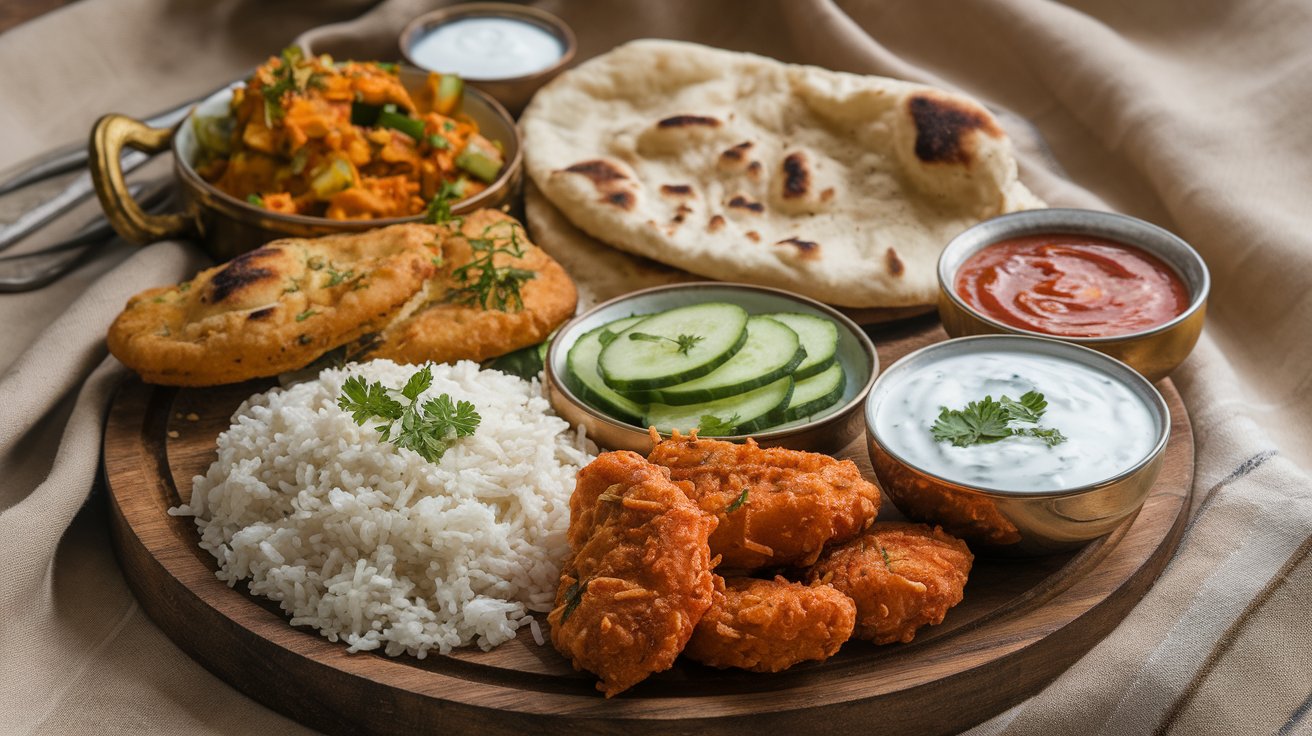
Finding the perfect sides to go with curry can transform your meal from good to extraordinary. Whether you’re serving Thai green curry, Indian dal, or Japanese curry, the right accompaniments balance flavors, add texture, and create a complete dining experience that satisfies every palate.
Classic Rice Options: The Traditional Curry Base
Rice remains the most popular side for curry dishes across cultures, and for good reason. It provides a neutral base that absorbs curry flavors while offering comfort and sustenance. According to 2024 culinary surveys, 78% of American households pair curry with some form of rice preparation.
The key to perfect curry rice lies in choosing the right variety and preparation method. Jasmine rice works best for Thai curries, while basmati rice complements Indian dishes perfectly. Long-grain rice maintains its texture and doesn’t become mushy when mixed with curry sauces, making it the preferred choice for restaurants nationwide.
Basmati Rice: The Indian Classic
Basmati rice offers the perfect texture and aromatic quality that pairs beautifully with Indian curries. This long-grain variety from the Himalayas has a distinctive nutty flavor and fluffy texture that doesn’t compete with complex curry spices. Steam it with a pinch of salt and a bay leaf for authentic flavor.
Jasmine Rice: Thai Curry’s Best Friend
For Thai curry dishes, jasmine rice provides the ideal complement with its subtle floral aroma and slightly sticky texture. This variety absorbs coconut-based curry sauces exceptionally well, creating the perfect balance between the rice and curry in every bite. Cook with a 1.5:1 water ratio for optimal texture.
Rice Alternatives: What to Have Instead of Rice
Many people seek alternatives to rice for curry due to dietary preferences or simply to add variety to their meals. Quinoa has gained popularity as a protein-rich substitute, offering a nutty flavor and complete amino acid profile that enhances the nutritional value of curry dishes.
Cauliflower rice has become the top low-carb option for curry lovers following keto or paleo diets. This versatile substitute absorbs curry flavors while providing fewer calories and more fiber than traditional rice. Pulse it in a food processor and sauté for 3-4 minutes for the best texture.
Quinoa: The Protein-Packed Alternative
Quinoa provides complete protein and fiber while offering a slightly crunchy texture that contrasts beautifully with creamy curries. This superfood contains all nine essential amino acids and cooks in just 15 minutes. Rinse thoroughly before cooking to remove the bitter saponin coating.
Cauliflower Rice: Low-Carb Perfection
For those watching carb intake, cauliflower rice delivers excellent results with only 25 calories per cup compared to white rice’s 205 calories. Season with turmeric and cumin to complement curry spices, and avoid overcooking to maintain a rice-like texture that won’t turn mushy.
Bread and Flatbread Options
Bread serves as both a side dish and utensil for curry consumption in many cultures. Naan, roti, and other flatbreads provide the perfect vehicle for scooping curry while adding their own flavors and textures to the meal. Fresh bread also helps cool the palate when eating spicy curries.
Commercial naan availability has increased by 45% in US supermarkets since 2023, reflecting growing American interest in authentic curry accompaniments. Homemade flatbreads offer superior taste and texture compared to store-bought options, though quality frozen varieties now provide convenient alternatives for busy weeknights.
Naan: The Beloved Indian Flatbread
Naan bread provides the perfect texture for curry pairing with its soft, pillowy interior and slightly charred exterior. Traditional tandoor-baked naan offers smoky flavors that complement rich curry sauces. Garlic naan and butter naan remain the most popular varieties in American Indian restaurants.
Roti and Chapati: Simple Whole Wheat Options
These unleavened breads offer healthier alternatives to naan while providing excellent curry-scooping capabilities. Made with just whole wheat flour and water, they’re lighter and less caloric than naan. Their neutral flavor allows curry spices to shine through without competition.
Fresh Vegetable Sides and Salads
Fresh vegetables provide essential balance to rich, heavy curry dishes by adding crunch, freshness, and cooling properties. Raw vegetables help cleanse the palate between bites of spicy curry while contributing important vitamins and fiber to the meal.
Kachumber salad represents the most traditional fresh side for Indian curries, combining cucumber, tomatoes, and onions with tangy dressing. This refreshing salad takes just 10 minutes to prepare and provides the perfect textural contrast to creamy curry sauces. Its cooling properties help balance spicy heat levels.
Kachumber Salad: The Classic Indian Fresh Side
Kachumber salad combines diced cucumbers, tomatoes, and red onions with lemon juice, salt, and fresh herbs. This traditional Indian side dish provides cooling relief from spicy curries while adding essential vitamins and minerals. Use firm vegetables and dress just before serving to maintain optimal crunch.
Cucumber Raita: Cooling Yogurt-Based Side
This yogurt-based side dish offers immediate relief from curry heat while providing probiotics and protein. Mix grated cucumber with plain Greek yogurt, mint, and a pinch of chaat masala for authentic flavor. The cool temperature and creamy texture create perfect contrast with hot, spicy curries.
Best Pairing Strategies for Different Curry Types
Understanding what is the best pairing for curry depends largely on the curry’s origin, spice level, and base ingredients. Thai curries pair differently than Indian varieties due to their coconut milk bases and unique spice profiles. Successful pairing considers flavor balance, texture contrast, and cultural authenticity.
Coconut-based curries benefit from acidic sides that cut through richness, while tomato-based curries pair well with cooling dairy products. Spice levels also determine appropriate accompaniments – mild curries can handle bold sides, while fiery dishes need gentle, cooling complements.
Thai Curry Side Dish Combinations
Thai curry side dishes focus on balancing sweet, sour, and spicy elements inherent in Thai cuisine. Fresh herbs, pickled vegetables, and crispy textures complement the creamy coconut base found in most Thai curry preparations. Traditional Thai meals feature multiple small dishes rather than single large sides.
According to Thai culinary experts, what Thai people eat with curry includes fresh cucumber slices, pickled cabbage, and crispy fried shallots. These accompaniments provide textural variety and help balance the rich coconut milk base common in Thai curry dishes. Fresh Thai basil leaves also serve as both garnish and palate cleanser.
Fresh Herb Accompaniments
Fresh herbs provide aromatic contrast to rich Thai curries while adding authentic flavors. Thai basil, cilantro, and mint leaves offer cooling properties and bright flavors that complement coconut-based sauces. Serve herbs family-style so diners can customize their preferred intensity levels.
Pickled Vegetables for Tang
Pickled vegetables deliver essential acidity that cuts through curry richness while providing crunchy texture contrast. Quick-pickled cucumber, cabbage, or radishes take only 30 minutes to prepare and can be made ahead for convenience. The tangy flavor awakens taste buds between curry bites.
Protein-Rich Sides to Complete Your Meal
Protein-rich sides enhance curry’s nutritional profile while creating more satisfying meals. Lentil-based dishes, hard-boiled eggs, and grilled vegetables provide complete amino acids that complement curry’s primarily carbohydrate-based accompaniments. These additions make curry meals more filling and nutritionally balanced.
Dal, or lentil curry, serves dual purposes as both side dish and protein source. This staple of Indian cuisine provides fiber, protein, and complex carbohydrates while offering complementary flavors to main curry dishes. Simple dal preparations can be ready in 20 minutes using red lentils.
Quick and Easy Curry Side Preparations
Busy weeknight dinners require quick curry sides that don’t sacrifice flavor for convenience. Many traditional accompaniments can be simplified or prepared ahead of time without losing their essential characteristics. Microwave rice, pre-cut vegetables, and store-bought naan provide acceptable shortcuts for time-pressed cooks.
Meal prep strategies work excellently for curry sides, with rice, quinoa, and chopped vegetables storing well for up to five days refrigerated. Batch-cooking grains on weekends provides ready accompaniments for multiple curry meals throughout the week, saving both time and cleanup effort.
Related video about sides to go with curry
This video complements the article information with a practical visual demonstration.
Essential Q&A about sides to go with curry
What is the best pairing for curry?
The best pairing for curry depends on the type of curry you’re serving. For Indian curries, basmati rice and naan bread are classic choices. Thai curries pair beautifully with jasmine rice and fresh herbs. Cool, creamy sides like raita or cucumber salad provide excellent balance to spicy curries by offering cooling relief and textural contrast.
What side dishes go with Thai curry?
Thai curry pairs best with jasmine rice, fresh herbs like Thai basil and cilantro, pickled vegetables for acidity, and crispy elements like fried shallots. Traditional Thai meals also include cucumber slices and pickled cabbage. These sides balance the rich coconut milk base while providing textural variety and authentic flavors.
What can I have with curry instead of rice?
Popular rice alternatives for curry include quinoa for added protein, cauliflower rice for low-carb options, and various breads like naan or roti. Other options include millet, bulgur wheat, or even roasted vegetables. These alternatives provide different textures and nutritional profiles while still complementing curry flavors effectively.
What do Thai people eat with curry?
Thai people traditionally eat curry with jasmine rice, fresh cucumber slices, pickled vegetables like cabbage or radishes, fresh herbs such as Thai basil and cilantro, and crispy fried shallots. These accompaniments provide cooling properties, textural contrast, and help balance the rich, coconut-based curry sauces common in Thai cuisine.
How long do fresh curry sides stay good?
Fresh vegetable sides like kachumber salad are best consumed within 24 hours for optimal crunch and flavor. Cooked rice and quinoa stay fresh for 4-5 days refrigerated. Yogurt-based sides like raita should be consumed within 2-3 days. Always store sides separately from curry to maintain proper textures and prevent soggy vegetables.
Can I make curry sides ahead of time?
Many curry sides can be prepared ahead for convenience. Rice, quinoa, and other grains can be cooked and refrigerated for up to 5 days. Fresh vegetable sides should be prepped but dressed just before serving. Bread can be made ahead and reheated. This meal prep approach saves time while ensuring fresh flavors and proper textures.
| Side Dish Category | Best Options | Key Benefits |
|---|---|---|
| Rice & Grains | Basmati, Jasmine, Quinoa | Absorbs flavors, provides sustenance |
| Bread | Naan, Roti, Chapati | Acts as utensil, adds texture |
| Fresh Sides | Kachumber, Raita, Herbs | Cooling effect, nutritional balance |
| Low-Carb Options | Cauliflower Rice, Vegetables | Reduced calories, added fiber |

