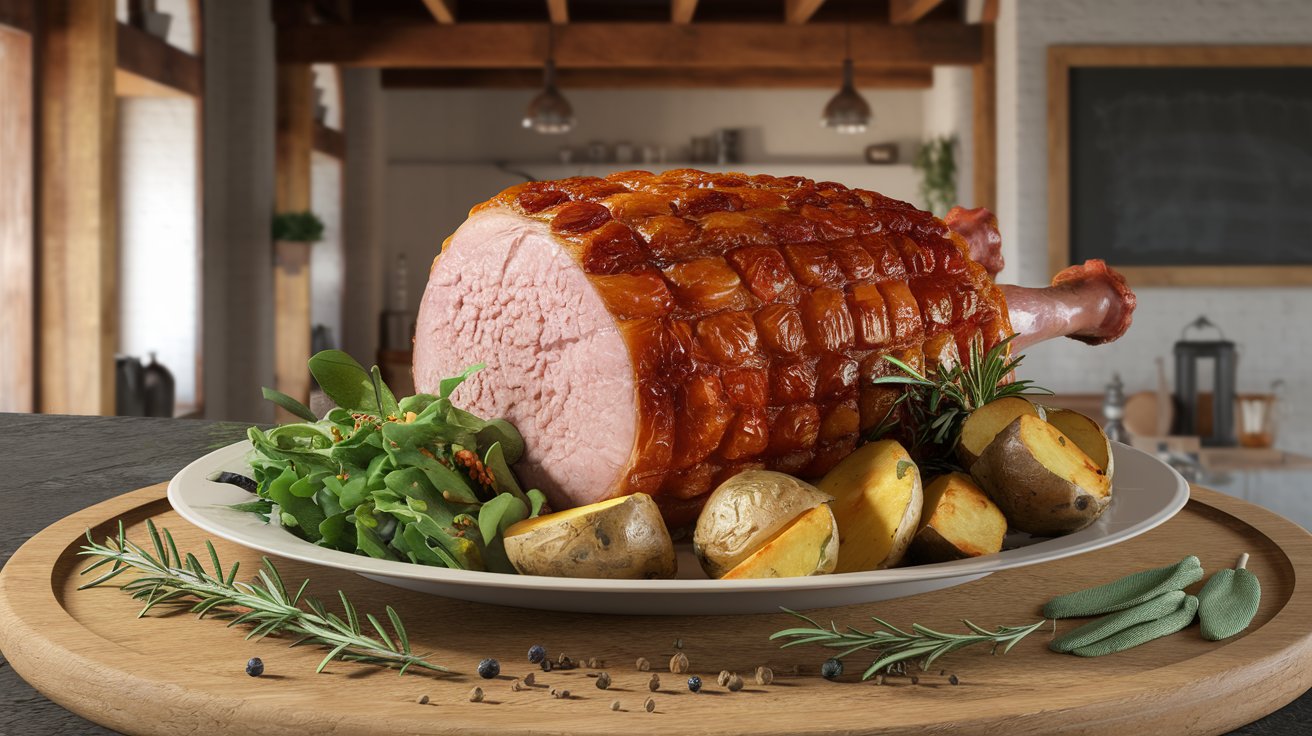
Choosing the right herbs and spices for pork can transform an ordinary meal into a culinary masterpiece. The key is understanding which seasonings complement pork’s naturally sweet and mild flavor profile. Classic combinations include sage with rosemary, fennel with garlic, and paprika with thyme, each enhancing different cuts and cooking methods to create memorable dining experiences.
Essential Herbs That Pair Well With Pork
Fresh herbs bring bright, aromatic qualities that balance pork’s richness perfectly. Sage stands as the most traditional herb for pork, offering earthy notes that complement the meat’s natural sweetness. This classic pairing works exceptionally well with pork chops, roasts, and stuffing applications. Rosemary provides a pine-like fragrance that penetrates the meat during cooking, making it ideal for slow-roasted pork shoulders and leg roasts.
Thyme and oregano offer Mediterranean flavors that work wonderfully with grilled pork tenderloin and chops. Fresh thyme’s subtle lemony notes enhance pork without overwhelming its delicate taste, while oregano adds depth to marinades and rubs. Fennel fronds contribute a mild anise flavor that pairs beautifully with Italian-style pork preparations, especially when combined with garlic and white wine.
Fresh vs Dried Herbs for Pork Dishes
Fresh herbs work best when added during the final stages of cooking or as finishing touches, preserving their bright flavors and vibrant colors. For pork chops and quick-cooking cuts, fresh sage, thyme, and rosemary should be added in the last 5-10 minutes of cooking. Dried herbs excel in longer cooking methods like braising and slow roasting, where their concentrated flavors have time to penetrate the meat thoroughly.
Growing Your Own Pork Herb Garden
Creating a dedicated herb garden for pork seasonings ensures fresh ingredients year-round. Plant sage, rosemary, and thyme in well-draining soil with full sun exposure. These perennial herbs will provide continuous harvests throughout the growing season. Fennel and oregano also thrive in home gardens, offering fresh alternatives to store-bought dried versions that often lack potency and flavor complexity.
Best Spices for Different Pork Cuts
Pork tenderloin benefits from lighter spices that won’t overpower its delicate texture. Fennel seeds, coriander, and white pepper create elegant flavor profiles when combined with herbs like thyme or tarragon. These spices should be ground fresh for maximum impact and applied 30 minutes before cooking to allow penetration. Pork shoulder and Boston butt can handle robust spice blends including smoked paprika, cumin, and chipotle powder for barbecue applications.
Pork chops work beautifully with warm spices like cinnamon, allspice, and nutmeg, especially when paired with fruit-based sides. These spices complement pork’s natural sweetness while adding complexity. Ground pork for sausages and meatballs benefits from fennel seeds, red pepper flakes, and garlic powder, creating authentic Italian and Mediterranean flavors that have gained popularity in American kitchens throughout 2024.
Spice Rubs for Pork Roasts
Creating the perfect pork rub requires balancing sweet, savory, and aromatic elements. Combine brown sugar with smoked paprika, garlic powder, and dried thyme for a versatile base that works on most roasts. Add mustard powder and onion powder for depth, then customize with cayenne for heat or coriander for citrusy notes. Apply rubs 2-24 hours before cooking for optimal flavor penetration.
International Spice Blends for Pork
Global spice combinations offer exciting alternatives to traditional American seasonings. Chinese five-spice powder creates authentic Asian flavors when combined with soy sauce and ginger. Herbes de Provence brings French elegance to pork dishes, while Mexican adobo seasoning transforms ordinary pork into vibrant, restaurant-quality meals that reflect America’s diverse culinary landscape in 2025.
How to Make Pork More Flavorful
Brining pork before seasoning creates the foundation for maximum flavor absorption. A basic brine using salt, sugar, and aromatics like bay leaves and peppercorns enhances the meat’s ability to retain moisture and accept seasonings. This technique works particularly well for pork chops and tenderloin, which can become dry without proper preparation. Dry brining with salt and spices 40 minutes before cooking also improves texture and flavor penetration.
Marinating techniques vary based on cut thickness and cooking method. Thin cuts like pork chops need only 30 minutes to 2 hours in acidic marinades containing wine, vinegar, or citrus juice combined with herbs and spices. Thicker roasts benefit from 8-24 hour marinades that slowly penetrate the meat fibers, breaking down proteins while infusing flavor throughout the interior portions.
Seasoning Combinations for Specific Pork Dishes
Pork chops achieve restaurant-quality results with sage, garlic powder, and black pepper as the foundation, enhanced by paprika for color and thyme for aromatic complexity. This combination works equally well with bone-in and boneless varieties. Pork tenderloin pairs excellently with fennel seeds, rosemary, and lemon zest, creating a sophisticated flavor profile that complements the meat’s tender texture.
Pork stew requires heartier seasonings that withstand long cooking times. Bay leaves, dried thyme, smoked paprika, and marjoram create rich, complex flavors that improve with extended braising. Pork roast benefits from herb crusts using fresh rosemary, sage, and garlic, combined with mustard as a binding agent to create an attractive, flavorful exterior during roasting.
Grilled Pork Seasoning Strategies
Grilling pork requires seasonings that can withstand high heat while creating appealing crusts. Coarse salt, cracked black pepper, and granulated garlic form the base, while brown sugar and paprika promote caramelization. Wood chips like apple, cherry, or hickory add complementary smoke flavors that enhance rather than compete with the seasoning blend.
Slow Cooker Pork Seasoning Tips
Slow cooking pork concentrates flavors, requiring careful seasoning balance to prevent overwhelming results. Start with half the normal amount of dried herbs and spices, then adjust during cooking. Liquid smoke and Worcestershire sauce add depth without requiring additional salt, while onion and garlic powders provide savory base notes that develop complexity over extended cooking periods.
Regional American Pork Seasoning Traditions
Southern pork preparations emphasize bold, smoky flavors with heavy reliance on paprika, cayenne, and brown sugar rubs. Memphis-style dry rubs typically include celery seed, mustard powder, and chili powder, while Carolina preparations focus on simpler salt, pepper, and paprika combinations that allow the meat’s natural flavors to shine through barbecue sauce applications.
Midwest pork dishes often incorporate European influences with caraway seeds, dill, and mustard seeds reflecting German and Scandinavian heritage. These seasonings work particularly well with braised pork dishes and sausages. Western American styles embrace Mexican and Southwestern influences, using cumin, coriander, and chili powders that reflect the region’s cultural diversity and growing popularity in 2024-2025.
Common Pork Seasoning Mistakes to Avoid
Over-seasoning represents the most frequent error when preparing pork dishes. Unlike beef, pork’s delicate flavor can be easily overwhelmed by aggressive spicing. Start with lighter applications and build gradually, especially when using potent spices like cloves, allspice, or strong dried herbs. Timing errors also compromise results, as adding fresh herbs too early causes them to lose their bright flavors and turn bitter during extended cooking.
Improper spice storage leads to diminished flavors and wasted ingredients. Ground spices lose potency within 6-12 months, while whole spices maintain quality for 2-3 years when stored in airtight containers away from light and heat. Pre-ground vs fresh grinding makes significant differences in final dish quality, with freshly ground spices providing notably superior flavors and aromas that justify the minimal extra effort required.
Related video about what herbs and spices go with pork
This video complements the article information with a practical visual demonstration.
Important things to know about what herbs and spices go with pork
What seasoning pairs well with pork?
Sage, rosemary, and thyme are the classic seasonings that pair exceptionally well with pork. These herbs complement pork’s natural sweetness without overwhelming its delicate flavor. For spices, fennel seeds, paprika, and garlic powder create excellent foundations, while brown sugar adds caramelization during cooking. The key is balancing earthy, aromatic elements with the meat’s mild character.
What is the best herb to use with pork?
Sage is considered the best single herb for pork, offering earthy, slightly peppery notes that have been traditionally paired with pork for centuries. Fresh sage works beautifully with pork chops and tenderloin, while dried sage excels in stuffings and slow-cooked dishes. Rosemary comes in second place, providing pine-like aromatics that penetrate well during roasting and grilling applications.
How do you make pork more flavorful?
Brining and proper seasoning timing are the most effective methods to make pork more flavorful. Brine pork for 2-8 hours using salt, sugar, and aromatics to enhance moisture retention and flavor absorption. Apply dry rubs 30 minutes to 24 hours before cooking, depending on the cut thickness. Marinating thin cuts for 30 minutes to 2 hours, and thicker cuts for 8-24 hours, significantly improves flavor penetration.
What herbs and spices go with pork tenderloin?
Pork tenderloin pairs best with delicate seasonings that won’t overpower its tender texture. Fennel seeds, thyme, rosemary, and white pepper create elegant combinations. Add lemon zest, garlic powder, and a touch of paprika for complexity. Avoid heavy spices like cumin or chili powder, which can overwhelm tenderloin’s subtle flavor. Fresh herbs should be added in the final cooking stages to preserve their bright characteristics.
What spices work best for pork roast?
Pork roast benefits from robust spice combinations that can withstand longer cooking times. Create rubs using brown sugar, smoked paprika, garlic powder, onion powder, and dried thyme as the foundation. Add mustard powder for tangy depth and cayenne for optional heat. Coarse salt and cracked black pepper provide essential seasoning base, while herbs like rosemary and sage create aromatic crusts during roasting.
Can you use the same seasonings for all pork cuts?
Different pork cuts require tailored seasoning approaches based on their texture, fat content, and cooking methods. Delicate cuts like tenderloin need lighter seasonings, while robust cuts like shoulder can handle bold spice blends. Thick cuts benefit from deeper penetrating marinades, while thin chops need quick-acting seasonings. Adjust seasoning intensity and application timing based on the specific cut and cooking method for optimal results.
| Pork Cut | Best Herbs & Spices | Key Benefits |
|---|---|---|
| Pork Chops | Sage, thyme, garlic powder, paprika | Balances richness, adds color |
| Pork Tenderloin | Fennel seeds, rosemary, white pepper | Elegant flavor without overpowering |
| Pork Roast | Brown sugar, smoked paprika, dried herbs | Creates flavorful crust, penetrates deeply |
| Pork Shoulder | Cumin, chipotle, oregano, garlic | Handles bold flavors, perfect for BBQ |
| Ground Pork | Fennel seeds, red pepper flakes, sage | Creates authentic sausage flavors |

