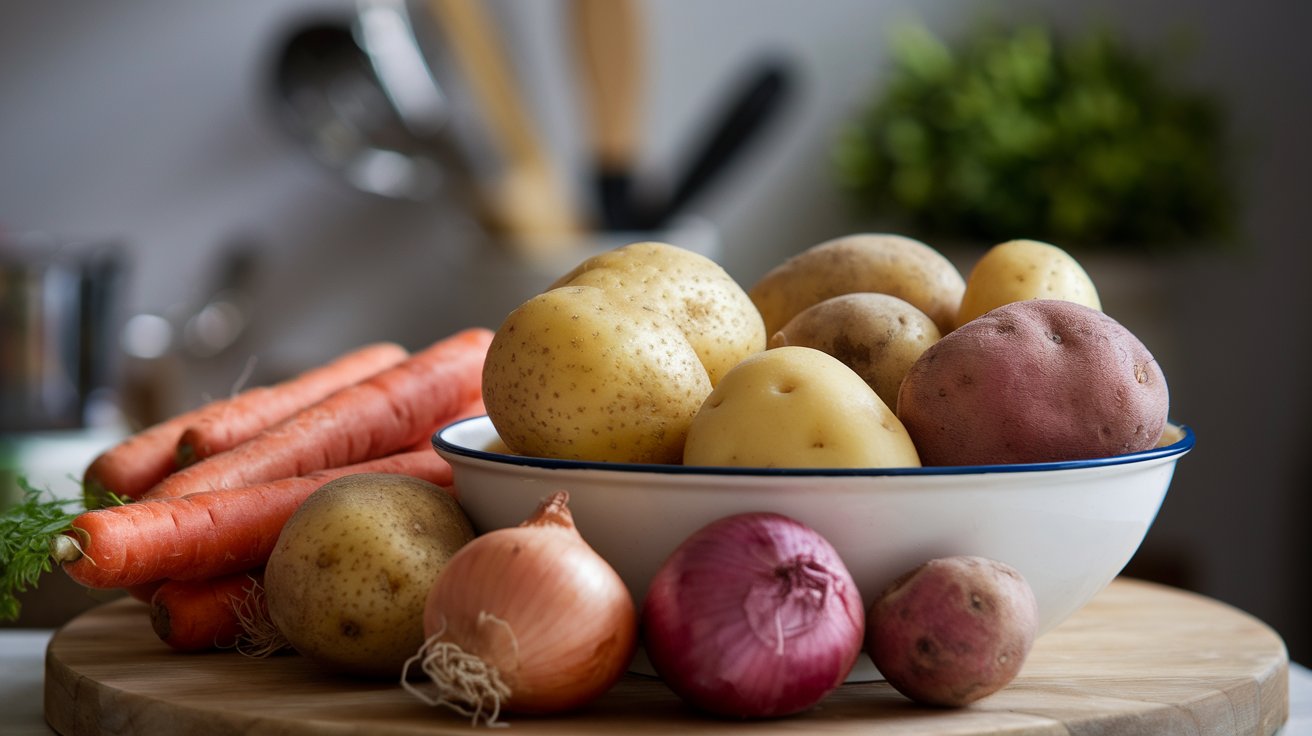
You absolutely can freeze raw potatoes, but the process requires proper preparation to maintain quality and prevent texture issues. While raw potatoes contain high water content and enzymes that break down during freezing, following the right blanching and preparation techniques ensures your frozen potatoes retain their taste and nutritional value for up to 12 months in the freezer.
What Happens When You Freeze Raw Potatoes Without Blanching
When you freeze raw potatoes without proper preparation, several undesirable changes occur that affect both texture and taste. The high water content in potatoes forms ice crystals during freezing, which rupture cell walls and create a mushy, grainy texture once thawed. Additionally, raw potatoes contain natural enzymes like polyphenol oxidase that remain active during freezing, leading to discoloration and off-flavors over time.
The starch content in uncooked potatoes also undergoes changes during the freezing process, converting some starches to sugars. This conversion can result in an unexpectedly sweet taste and altered cooking properties when you eventually prepare your thawed potatoes. Most food safety experts recommend against freezing completely raw potatoes for these quality reasons, though it won’t cause health risks.
Best Way to Freeze Potatoes: Blanching Method
The best way to freeze potatoes involves blanching them first to preserve quality and extend freezer life. This process deactivates enzymes that cause deterioration and helps maintain the potato’s natural color, texture, and nutritional value. Professional food preservation guidelines from the USDA recommend blanching as the gold standard for freezing most vegetables, including potatoes.
Step-by-Step Blanching Process
Start by washing and peeling your potatoes, then cut them into your desired size – whether that’s cubes, slices, or wedges. Bring a large pot of water to a rolling boil and prepare an ice bath in a separate bowl. Blanching potatoes requires precise timing: small pieces need 3-5 minutes, while larger chunks require 8-10 minutes in the boiling water. Immediately transfer the hot potatoes to the ice bath to stop the cooking process, then drain thoroughly and pat dry before freezing.
Pre-Freezing Preparation Tips
After blanching, arrange your prepared potatoes in a single layer on a parchment-lined baking sheet for flash freezing. This prevents the pieces from sticking together and allows for easier portioning later. Flash freezing takes 2-4 hours, after which you can transfer the individually frozen pieces to airtight freezer bags or containers. Remove as much air as possible to prevent freezer burn and maintain quality during storage.
How Long Do Frozen Potatoes Last in the Freezer
Properly blanched and frozen potatoes maintain their best quality for 10-12 months when stored at 0°F (-18°C) or below. However, they remain safe to eat indefinitely if kept consistently frozen, though quality gradually declines after the optimal storage period. Uncooked potatoes that were frozen without blanching typically maintain acceptable quality for only 6-8 months due to enzyme activity and cellular damage.
The storage method significantly impacts longevity. Potatoes stored in vacuum-sealed bags or airtight containers with minimal air exposure last longer than those in regular freezer bags. Label your containers with freezing dates to track storage time, and use the first-in-first-out principle to ensure you’re using the oldest frozen potatoes first.
Different Types of Potatoes and Freezing Results
Not all potato varieties respond equally well to freezing. Waxy potatoes like red potatoes and fingerlings have lower starch content and higher moisture, making them more prone to texture changes during freezing. These varieties often become mealy or mushy after thawing, even with proper blanching techniques.
Best Potato Varieties for Freezing
Russet potatoes and other high-starch varieties freeze most successfully because their lower moisture content reduces ice crystal formation. Idaho potatoes, Yukon Gold, and other all-purpose varieties also maintain good texture after freezing when properly blanched. These varieties work particularly well for applications like french fries, hash browns, and roasted potato dishes where slight texture changes are less noticeable.
Varieties to Avoid Freezing
New potatoes and very small waxy varieties generally don’t freeze well due to their high moisture content and delicate skin. Fresh potatoes with thin skins often become mushy and lose their appealing texture completely after freezing and thawing. If you must freeze these varieties, consider using them in applications where texture is less critical, such as soups or casseroles.
Common Mistakes When Freezing Potatoes
One of the most frequent errors people make is attempting to freeze potatoes whole without any preparation. Large, whole potatoes freeze poorly because the center takes too long to freeze, allowing enzyme activity to continue and creating uneven texture throughout the potato. Always cut potatoes into smaller, uniform pieces for best results.
Another common mistake involves inadequate packaging. Freezer burn occurs when potatoes are exposed to air in the freezer, resulting in dry, discolored patches that affect taste and texture. Using proper airtight containers or vacuum-sealed bags prevents this issue and maintains quality throughout the storage period.
Cooking Methods for Frozen Potatoes
Frozen potatoes require different cooking approaches than fresh ones to achieve optimal results. Many frozen potato preparations work best when cooked directly from frozen without thawing, as this prevents additional moisture loss and texture degradation. Roasting, frying, and baking are particularly effective methods for frozen potatoes.
Direct from Freezer Cooking
When making hash browns or french fries from frozen potatoes, cook them directly from the frozen state for best texture. Add an extra 5-10 minutes to your normal cooking time and avoid thawing first, as this releases excess moisture that can make your potatoes soggy. High-heat cooking methods like roasting at 425°F or deep frying work particularly well with frozen potatoes.
Applications Requiring Thawing
For applications like mashed potatoes or potato salad, you’ll need to thaw your frozen potatoes first. Thaw them overnight in the refrigerator rather than at room temperature to maintain food safety. Drain any excess liquid that accumulates during thawing, as this helps prevent watery final dishes. Keep in mind that thawed potatoes work better in cooked applications than raw preparations.
Safety Considerations and Storage Guidelines
Food safety remains paramount when freezing and storing potatoes. Always freeze potatoes within 24 hours of blanching to prevent bacterial growth and maintain quality. Use clean utensils and containers throughout the process, and ensure your freezer maintains a consistent temperature of 0°F or below for safe long-term storage.
Never refreeze potatoes that have been completely thawed, as this increases the risk of foodborne illness and significantly degrades quality. If you’ve thawed more frozen potatoes than needed, cook them completely before refreezing as part of a prepared dish. Label all frozen potato packages with contents and date to track storage time and ensure food safety compliance.
Related video about can you freeze potatoes raw
This video complements the article information with a practical visual demonstration.
What you should know
What is the best way to freeze potatoes?
The best way to freeze potatoes is to blanch them first by boiling cut pieces for 3-10 minutes depending on size, then immediately cooling in an ice bath. After draining and drying, flash freeze on a baking sheet before transferring to airtight containers. This method preserves texture and prevents enzyme degradation for up to 12 months.
What happens if you freeze potatoes without blanching?
Freezing potatoes without blanching results in poor texture, discoloration, and off-flavors. The natural enzymes remain active and break down the potato’s structure, while ice crystals damage cell walls creating a mushy, grainy texture when thawed. The potatoes may also develop an unexpectedly sweet taste due to starch conversion.
What happens if you put raw potatoes in the freezer?
Raw potatoes in the freezer undergo cellular damage from ice crystal formation and continued enzyme activity. This leads to a mushy, unappetizing texture when thawed, along with potential discoloration and altered taste. While safe to eat, the quality is significantly compromised compared to properly blanched frozen potatoes.
How long do uncooked potatoes last in the freezer?
Properly blanched uncooked potatoes maintain best quality for 10-12 months in the freezer at 0°F or below. Raw potatoes frozen without blanching typically maintain acceptable quality for only 6-8 months. While they remain safe indefinitely when kept consistently frozen, quality gradually declines after these optimal timeframes.
Can you freeze whole potatoes raw?
Freezing whole raw potatoes is not recommended as they freeze unevenly, with the center taking too long to freeze properly. This allows continued enzyme activity and creates poor texture throughout. Always cut potatoes into smaller, uniform pieces and blanch them before freezing for best results.
Do frozen potatoes need to be thawed before cooking?
Most frozen potato preparations work best when cooked directly from frozen, particularly for roasting, frying, or making hash browns. Cooking from frozen prevents additional moisture loss and maintains better texture. Only thaw frozen potatoes when making dishes like mashed potatoes or potato salad where the application requires it.
| Freezing Method | Storage Duration | Quality Result |
|---|---|---|
| Blanched Potatoes | 10-12 months | Excellent texture and flavor |
| Raw Frozen | 6-8 months | Poor texture, altered taste |
| Flash Frozen | 10-12 months | Individual pieces, no clumping |

