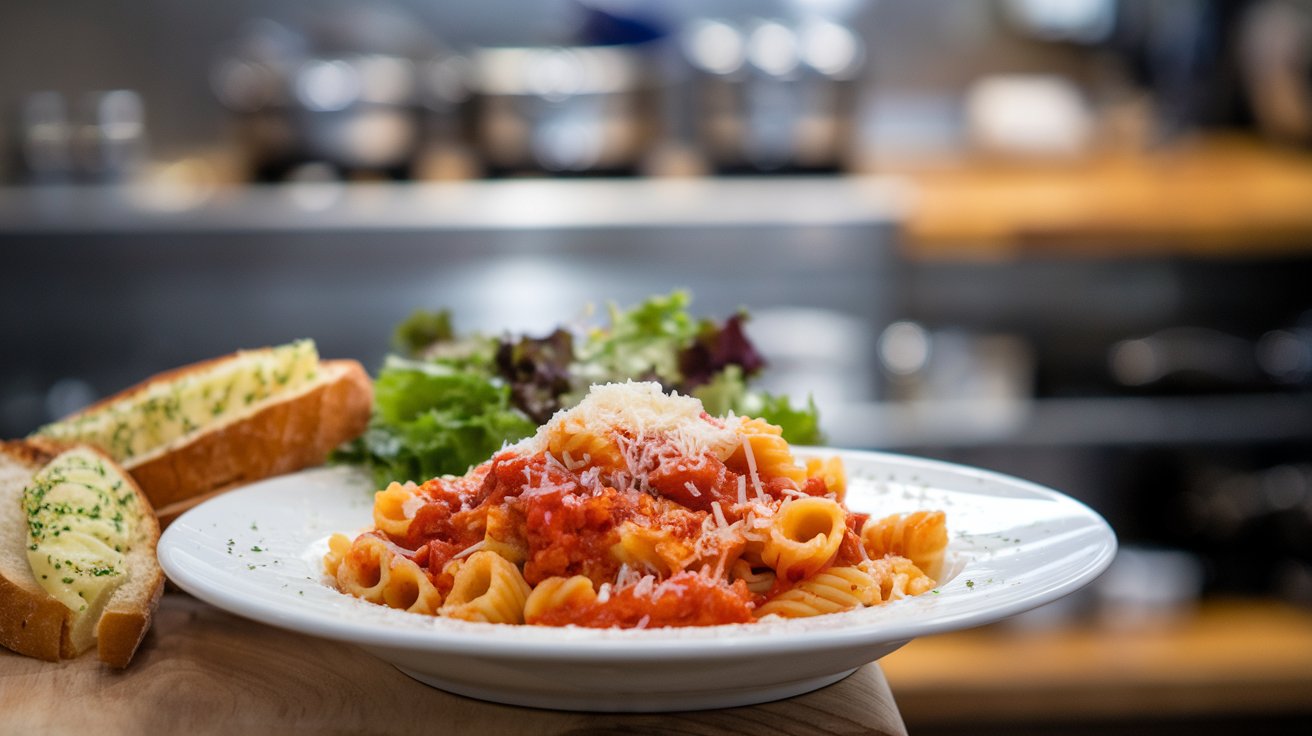
Finding time to cook nutritious meals as a college student can feel overwhelming, especially when juggling studies, work, and social activities. These easy pasta recipes for college students solve that problem by providing quick, affordable, and delicious meal options that require minimal cooking skills and equipment. With most recipes taking under 20 minutes and costing less than $3 per serving, you’ll never have to rely on expensive takeout or unhealthy processed foods again.
Why Pasta is Perfect for College Students
Pasta stands as the ultimate college student meal for several compelling reasons that make it ideal for dorm life and tight budgets. First, pasta is incredibly affordable, with a one-pound box costing around $1-2 in most U.S. grocery stores and providing 8-10 servings. Second, it has an exceptional shelf life of 2-3 years when stored properly, making it perfect for students who shop infrequently or buy in bulk during sales.
The versatility of pasta cannot be overstated, as it pairs well with virtually any ingredient you have available, from simple olive oil and garlic to leftover vegetables and proteins. Most importantly, pasta recipes require minimal cooking equipment – just a pot, water, and a heat source, making them ideal for dorm kitchens with limited facilities. The cooking process is also forgiving, so even novice cooks can achieve consistently good results without extensive culinary experience.
Essential Ingredients for Student-Friendly Pasta
Creating delicious easy pasta recipes starts with stocking your dorm pantry with versatile, long-lasting ingredients that can transform basic pasta into satisfying meals. Essential pantry staples include olive oil, garlic powder, dried herbs like basil and oregano, red pepper flakes, and grated Parmesan cheese. These ingredients cost approximately $15-20 total and can flavor dozens of pasta dishes throughout the semester.
For protein options, canned tuna, chicken, and beans offer affordable and shelf-stable choices that add substance to your meals. Frozen vegetables like broccoli, spinach, and bell peppers provide nutrition and color while lasting months in your freezer. Keep pasta sauce jars, canned tomatoes, and butter on hand for quick sauce bases. These college pasta ingredients ensure you can always whip up a satisfying meal without multiple grocery store trips or expensive specialty items.
One-Pot Pasta Recipes for Dorm Living
One-pot pasta recipes revolutionize college cooking by minimizing cleanup while maximizing flavor and nutrition. These recipes cook everything in a single vessel, eliminating the need for multiple pots and reducing washing time significantly. The technique involves adding pasta, liquid, and other ingredients to one pot, allowing the pasta to absorb flavors while cooking and creating a naturally creamy sauce from the released starches.
Creamy One-Pot Chicken Alfredo
This one-pot alfredo recipe combines tender pasta with creamy sauce and protein in just 15 minutes using pre-cooked chicken strips. Cook 12 oz penne pasta with 3 cups chicken broth, 1 cup heavy cream, and 2 cups cooked chicken pieces in a large pot. Add 1 cup frozen broccoli during the last 3 minutes of cooking, then stir in 3/4 cup grated Parmesan cheese and season with salt and pepper. The result is a restaurant-quality meal that costs under $8 and serves 4 people generously.
Spicy One-Pot Sausage Pasta
This hearty sausage pasta recipe delivers bold flavors with minimal effort using Italian sausage, tomatoes, and pasta cooked together for maximum taste absorption. Brown 1 lb Italian sausage in your pot, add 12 oz rigatoni, one 14.5 oz can diced tomatoes, 2 cups chicken broth, and 1/2 teaspoon red pepper flakes. Simmer covered for 15 minutes until pasta is tender, then stir in 1/2 cup heavy cream and fresh basil. This satisfying meal costs approximately $10 and provides leftovers for the next day.
Quick 10-Minute Pasta Solutions
When you’re rushing between classes or cramming for exams, these 10-minute pasta recipes provide immediate satisfaction without compromising on taste or nutrition. The key to ultra-quick pasta cooking lies in using thinner pasta shapes like angel hair or thin spaghetti, which cook in 3-4 minutes, and having pre-prepped ingredients ready to go. These recipes focus on simple flavor combinations that require minimal cooking beyond boiling the pasta.
Garlic Butter Pasta with Parmesan
This classic garlic butter pasta requires only five ingredients and delivers rich, satisfying flavors in under 10 minutes total. While 8 oz angel hair pasta cooks in salted boiling water, melt 4 tablespoons butter in a large skillet and sauté 4 minced garlic cloves for 1 minute. Toss the drained pasta with the garlic butter, 1/2 cup grated Parmesan cheese, salt, pepper, and fresh parsley if available. This simple yet elegant dish costs less than $2 per serving and tastes like it came from an upscale Italian restaurant.
Lemon Pepper Pasta with Vegetables
This bright and healthy lemon pasta recipe incorporates vegetables for added nutrition while maintaining the quick cooking time students need. Cook 8 oz thin spaghetti while simultaneously sautéing 1 cup frozen mixed vegetables in olive oil for 3 minutes. Combine the drained pasta with vegetables, juice of 2 lemons, 1/4 cup olive oil, 1 teaspoon black pepper, and salt to taste. The natural acidity from the lemon creates a light, refreshing sauce that’s perfect for busy days when you need energy without feeling weighed down.
Budget-Friendly Pasta Meals Under $3
Creating satisfying cheap pasta recipes on a tight college budget requires strategic ingredient selection and smart shopping techniques. The most economical pasta dishes focus on affordable proteins like eggs, beans, and canned meats, combined with vegetables that provide bulk and nutrition without breaking the bank. By purchasing pasta in bulk during sales and stocking up on versatile pantry ingredients, students can prepare filling meals for under $3 per serving.
The key to budget pasta cooking lies in understanding which ingredients provide the most value per dollar spent. Dried beans cost approximately $0.50 per cup cooked and provide excellent protein and fiber. Eggs add richness and protein for about $0.25 each, while seasonal vegetables purchased on sale can stretch a pasta dish significantly. Generic brand pasta typically costs $0.88-1.00 per pound compared to $1.50-2.00 for name brands, providing identical nutrition and taste at substantial savings.
Protein-Packed Pasta for Active Students
College students involved in sports, heavy course loads, or part-time work need high-protein pasta recipes that provide sustained energy and support muscle recovery. Adding adequate protein to pasta dishes transforms them from simple carbohydrate meals into balanced nutrition that keeps students satisfied for hours. The best protein additions for pasta include ground turkey, chicken, eggs, Greek yogurt, cottage cheese, and various legumes.
These protein-rich pasta meals typically contain 25-35 grams of protein per serving, meeting approximately half of a college student’s daily protein needs in a single meal. Combining complete proteins with the complex carbohydrates from pasta creates an ideal post-workout meal that supports both immediate energy replenishment and longer-term muscle building. The timing of these meals can significantly impact academic performance and physical endurance throughout demanding college schedules.
Turkey Meatball Pasta Bowl
This hearty meatball pasta recipe uses lean ground turkey to create protein-dense meatballs that pair perfectly with your favorite pasta shape and marinara sauce. Mix 1 lb ground turkey with 1/2 cup breadcrumbs, 1 egg, 2 minced garlic cloves, and Italian seasoning to form 20 small meatballs. Bake at 400°F for 15 minutes while your pasta cooks, then combine with marinara sauce and serve over 12 oz cooked pasta. This meal provides 32 grams of protein per serving and costs approximately $12 for 4 generous portions.
Greek Yogurt Carbonara Style
This healthier take on carbonara uses Greek yogurt for extra protein while maintaining the creamy texture students love in traditional versions. Cook 12 oz spaghetti and reserve 1 cup pasta cooking water before draining. Mix 1 cup plain Greek yogurt with 2 eggs, 1/2 cup Parmesan cheese, and black pepper in a large bowl. Quickly toss hot pasta with the yogurt mixture, adding pasta water as needed to create a smooth sauce. This innovative dish contains 28 grams of protein per serving and costs about $2.50 per portion.
Make-Ahead Pasta for Meal Prep
Meal prep pasta recipes save college students valuable time and money by preparing multiple meals at once during less busy periods. The best make-ahead pasta dishes maintain their texture and flavor when refrigerated for 3-5 days, making them perfect for Sunday meal prep sessions. Focus on heartier pasta shapes like penne, rigatoni, or shells that hold up well to reheating and don’t become mushy when stored.
Successful pasta meal prep involves slightly undercooking the pasta initially, as it will continue cooking when reheated. Store sauces separately when possible to prevent the pasta from absorbing too much liquid and becoming soggy. Glass containers work best for storing prepped pasta meals, as they heat evenly in microwaves and don’t retain odors or stains like plastic containers might. Label each container with contents and date to ensure food safety and easy identification during busy weeks.
Dorm-Room Cooking Equipment Essentials
Success with dorm room pasta cooking depends on having the right basic equipment that maximizes functionality while minimizing space usage. Most residence halls allow specific cooking appliances, so check your housing guidelines before purchasing any equipment. Essential items include a medium-sized pot with lid (3-4 quart capacity), a colander for draining, a large stirring spoon, and measuring cups. These basic tools enable preparation of virtually any pasta recipe.
Advanced dorm cooking can benefit from a small electric skillet or hot plate if permitted, as these appliances provide more precise temperature control than typical dorm stovetops. A microwave-safe pasta cooker offers an alternative cooking method that eliminates the need for stovetop access entirely. Quality college cooking equipment should be durable, easy to clean, and compact enough for limited storage space. Investing in good basic tools initially saves money over buying cheap items that break frequently and need replacement throughout college years.
Leftover Transformation Techniques
Learning to transform leftover pasta into new meals prevents food waste while adding variety to your weekly menu rotation. Cold pasta works excellently in salads when tossed with fresh vegetables, vinaigrette, and protein like canned tuna or chickpeas. Leftover spaghetti can become a delicious frittata when mixed with beaten eggs and cooked in a skillet until set. These transformation techniques help college students stretch their grocery budgets while avoiding the monotony of eating identical meals multiple days in a row.
Creative leftover pasta ideas include turning plain cooked pasta into soup by adding broth, vegetables, and seasonings for a completely different meal experience. Baked pasta dishes work well for using multiple types of leftover pasta combined with cheese and sauce, then baked until bubbly and golden. Cold pasta mixed with mayonnaise, vegetables, and seasonings creates satisfying pasta salads perfect for grab-and-go lunches between classes. These techniques ensure no cooked pasta goes to waste while providing exciting meal variety throughout the week.
Related video about easy pasta recipes for college students
This video complements the article information with a practical visual demonstration.
Frequently Asked Questions
How long can cooked pasta be stored in the refrigerator?
Cooked pasta can be safely stored in the refrigerator for 3-5 days when kept in airtight containers at 40°F or below. For best quality, store pasta and sauce separately when possible. Leftover pasta dishes with meat or dairy should be consumed within 3 days, while plain pasta with olive oil can last up to 5 days. Always reheat thoroughly to 165°F before eating and discard if there are any signs of spoilage like off odors or unusual texture.
What’s the best way to reheat pasta without making it mushy?
The best reheating method depends on the type of pasta dish. For pasta with sauce, add 1-2 tablespoons of water or broth to a microwave-safe bowl, cover, and heat in 30-second intervals, stirring between each interval. For stovetop reheating, add liquid to a pan over medium-low heat and stir gently. Plain pasta reheats well by briefly dipping it in boiling water for 30-60 seconds, then draining immediately.
Can you cook pasta without a stove in a dorm room?
Yes, pasta can be cooked in a microwave using a large microwave-safe bowl with enough water to cover the pasta plus 2 inches. Add salt and pasta, then microwave on high for the package cooking time plus 3-4 additional minutes. Some dorms allow electric pasta cookers or small hot plates, which provide more control than microwave cooking. Always check your residence hall’s appliance policies before purchasing cooking equipment.
How much pasta should one college student cook per meal?
A typical serving size is 2-4 ounces of dry pasta per person, depending on appetite and whether it’s a main dish or side dish. For college students, 3-4 ounces usually provides a satisfying main meal portion. This equals about 1/2 to 3/4 cup of dry pasta, which expands to 1.5-2 cups when cooked. Cooking slightly larger portions allows for leftovers, which is economical and time-saving for busy students.
What are the cheapest pasta shapes for college students?
The most economical pasta shapes are typically spaghetti, penne, and elbow macaroni, which are produced in large quantities and widely available. Generic store brands cost 30-50% less than name brands while providing identical nutritional value and taste. Buying pasta in larger quantities (2-5 lb bags) during sales can reduce costs to under $0.75 per pound. Long shapes like spaghetti often offer better value per pound than specialty shapes.
How can college students make pasta more nutritious?
Boost pasta nutrition by adding vegetables like frozen broccoli, spinach, or bell peppers, which cook quickly and add vitamins and fiber. Include lean proteins such as canned tuna, chicken, eggs, or beans to make meals more filling and balanced. Choose whole grain pasta when possible for increased fiber and nutrients. Adding a small amount of olive oil provides healthy fats, while herbs and spices boost antioxidants without adding calories or cost.
| Recipe Type | Cook Time | Cost Per Serving | Best For |
|---|---|---|---|
| One-Pot Pasta | 15-20 minutes | $2.00-3.50 | Minimal cleanup, dorm cooking |
| 10-Minute Quick | 8-12 minutes | $1.50-2.50 | Between classes, study breaks |
| Budget Meals | 10-15 minutes | $1.00-2.00 | Tight budgets, bulk cooking |
| High-Protein | 15-25 minutes | $2.50-4.00 | Athletes, post-workout meals |
| Meal Prep | 20-30 minutes | $1.75-3.00 | Weekly preparation, time-saving |

